
Login
The Language of Lines: Curves & Angles in Design
Design speaks before it is touched. The lines of a piece of furniture or a space form a visual language, one that communicates mood, rhythm, and intention. In contemporary interior design, the dialogue between curves and angles plays a defining role in how a space is experienced.
This is not about right or wrong. It is about balance, identity, and lifestyle.
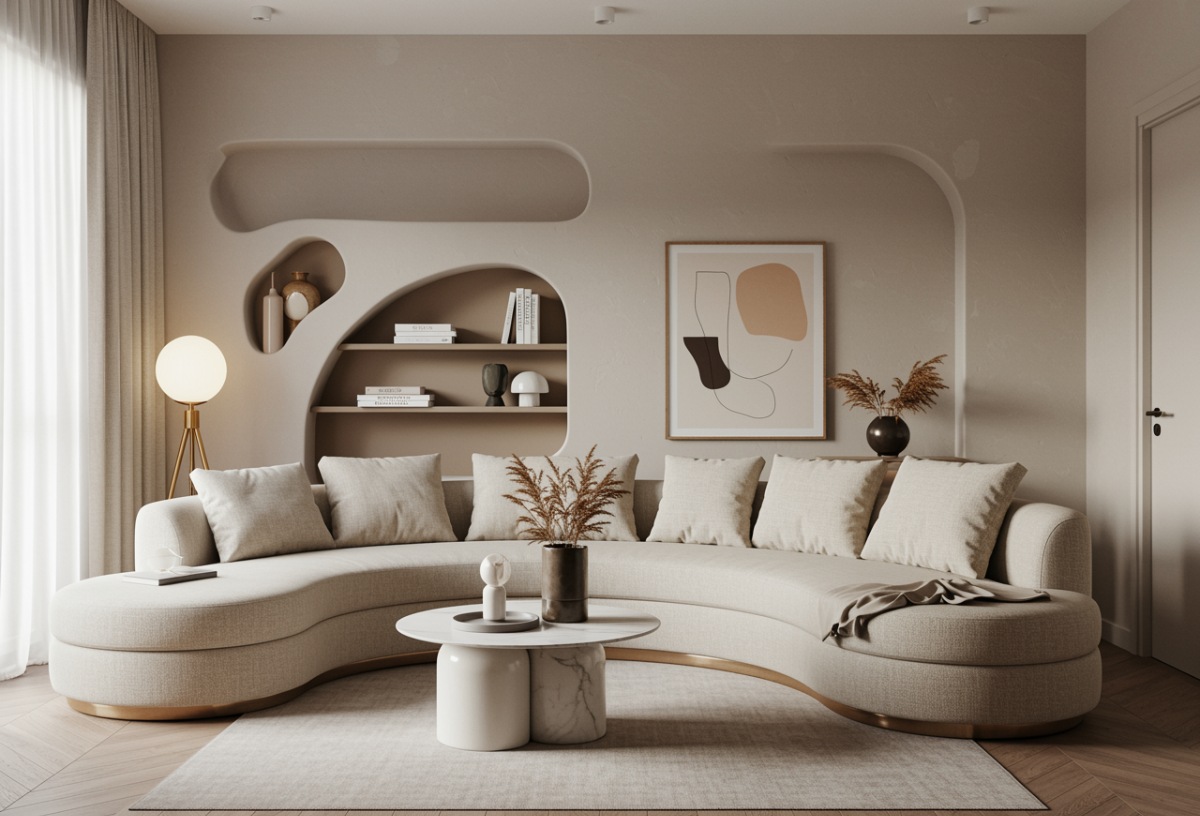
Curves: Softness, Flow, Emotional Comfort
Curves are inherently human. They echo the body and nature, creating a sense of ease and familiarity. A rounded sofa, a circular armchair, or an organically shaped table invites relaxation and connection.
In living spaces, curves:
-
Soften the environment
-
Encourage interaction and conversation
-
Create movement and visual flow
Their resurgence reflects a growing desire for interiors that feel more nurturing and emotionally intelligent.
Angles: Structure, Clarity, Architectural Discipline
Straight lines and angles bring definition and order. Clean-edged furniture, geometric shelving, or linear sofas introduce a sense of control and architectural strength.
Angles:
-
Define space
-
Reinforce structure
-
Support minimalist aesthetics
They often serve as the backbone of interiors with strong architectural presence.
Curves and Angles: A Dialogue, Not a Conflict
The most refined interiors do not choose sides, they create dialogue. Curves soften angular architecture, while straight lines anchor organic forms.
True harmony emerges when:
-
Lines complement rather than compete
-
Visual tension is balanced with calm
-
The space gains rhythm and depth
What Lines Say About You
The lines you choose reflect your personality. Curves suggest warmth, openness, and social energy. Angles imply precision, discipline, and clarity.
The goal is not to follow trends, but to shape an environment that supports who you are and how you live.
Design as Silent Communication
The language of lines does not shout. It quietly influences how we move, sit, and feel within a space.
A living room where curves and angles coexist thoughtfully is more than visually pleasing, it is timeless, human, and deeply functional.
 Delivery Methods
 Secure Online Payments
 24 / 7 Services
 Shiping in Greece and Worldwide