Login
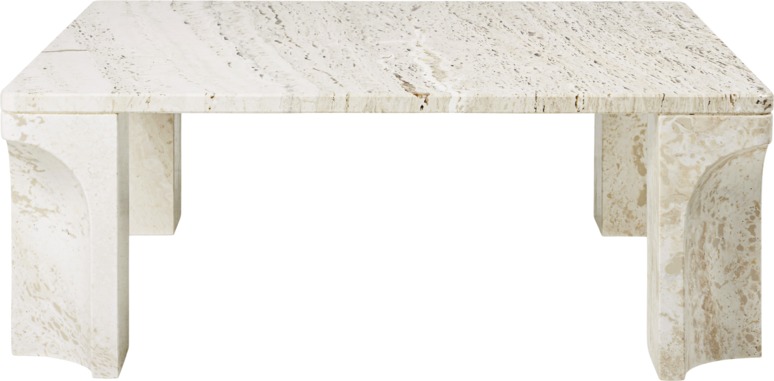
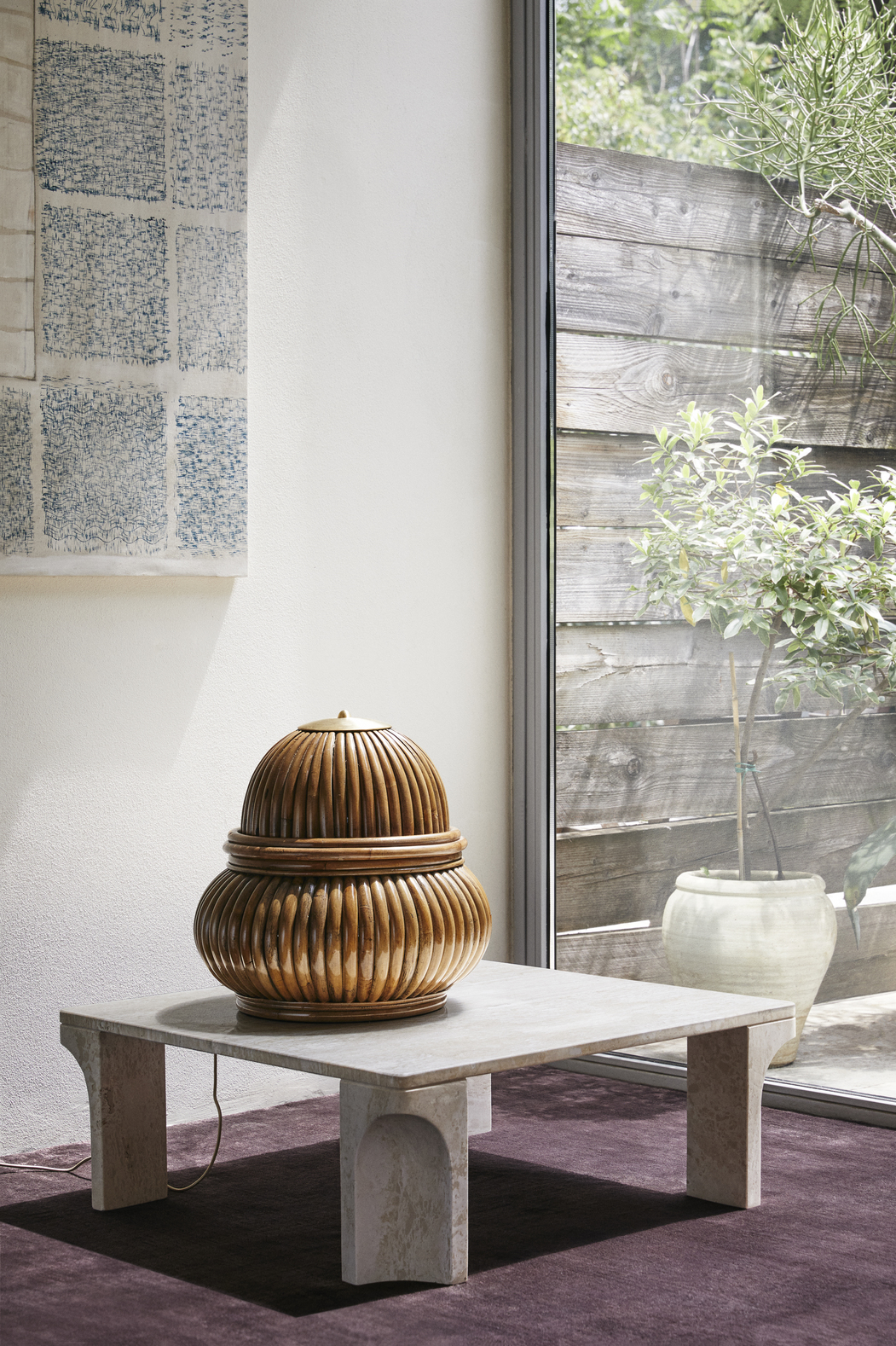
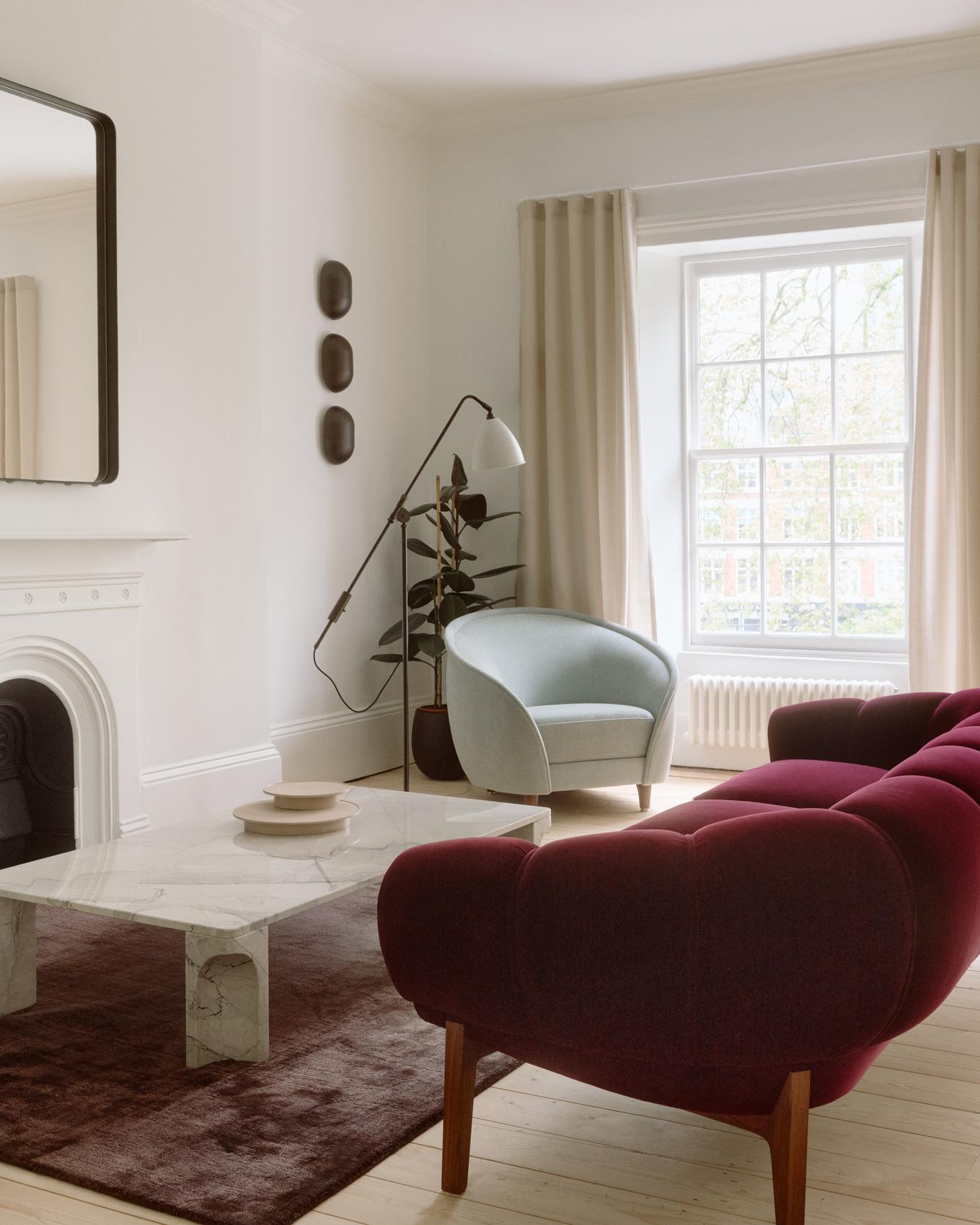
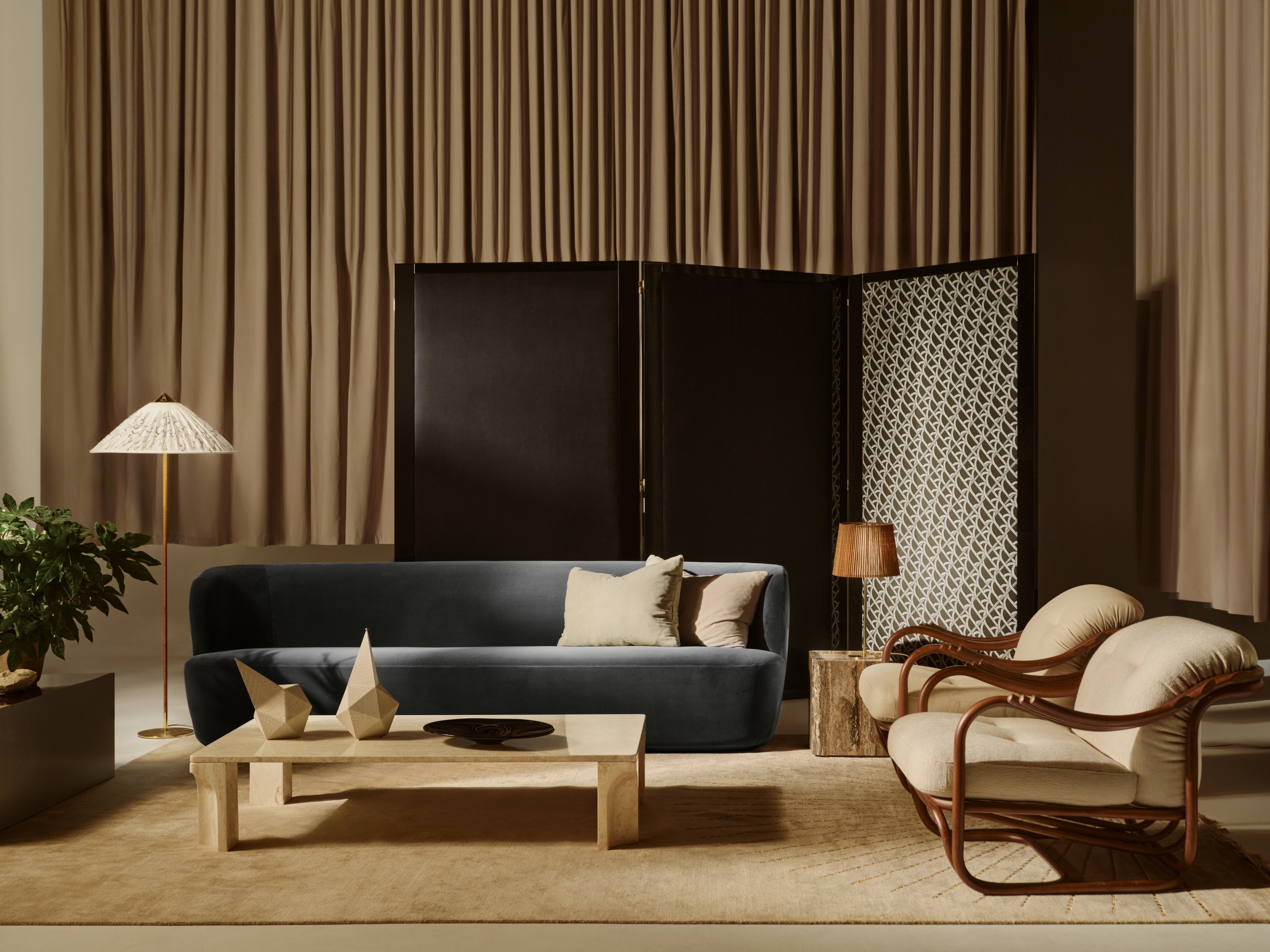
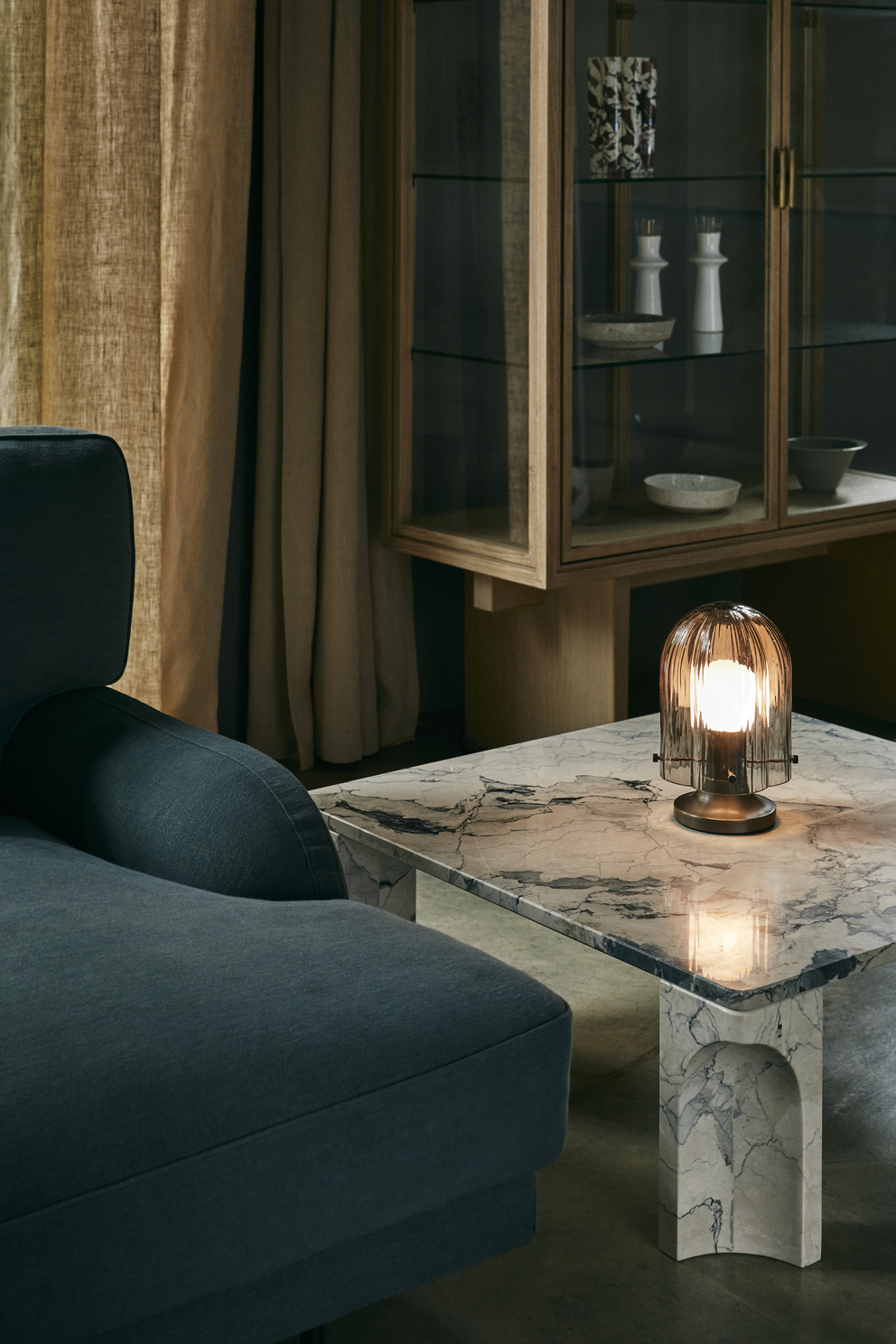
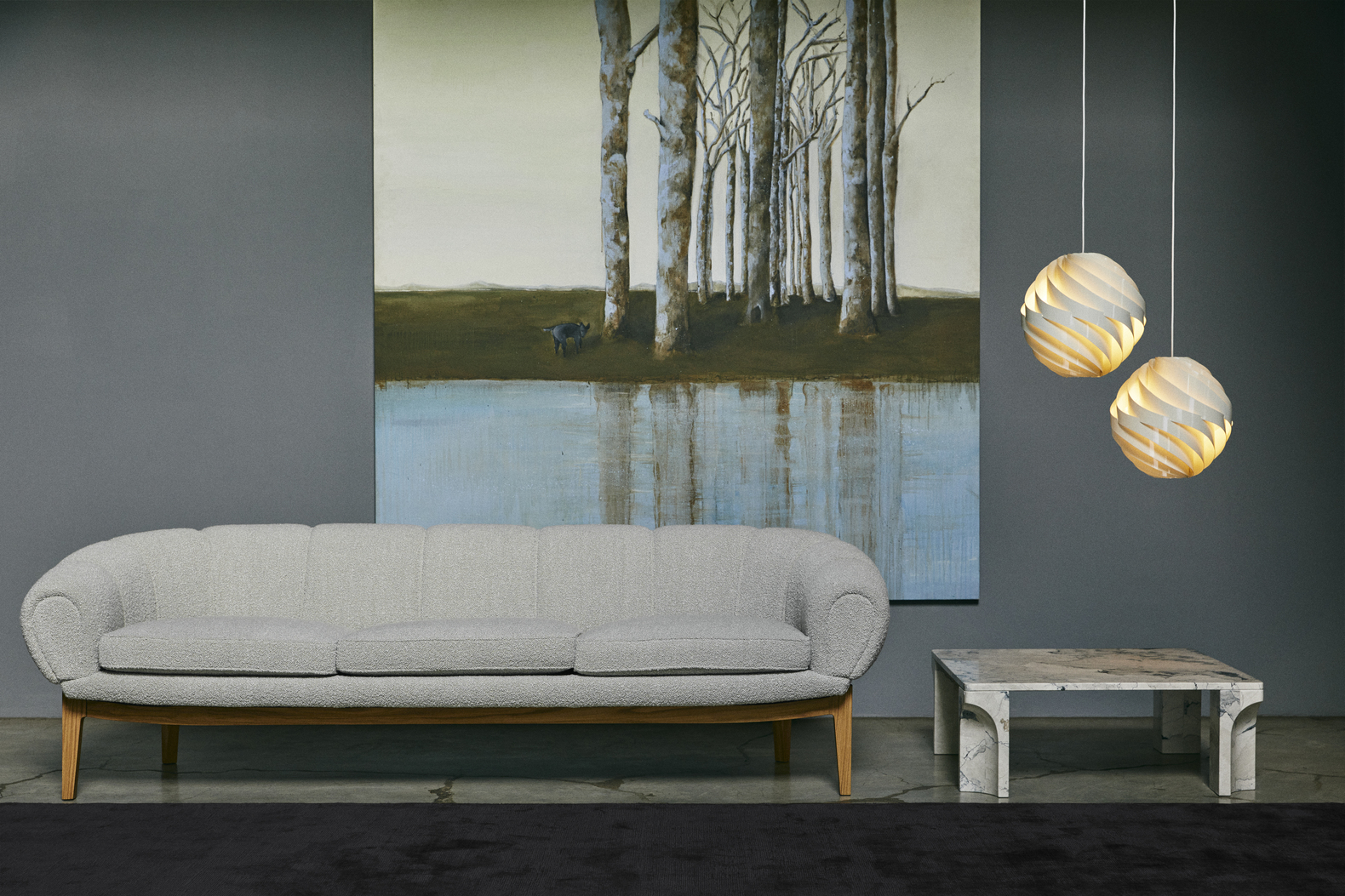
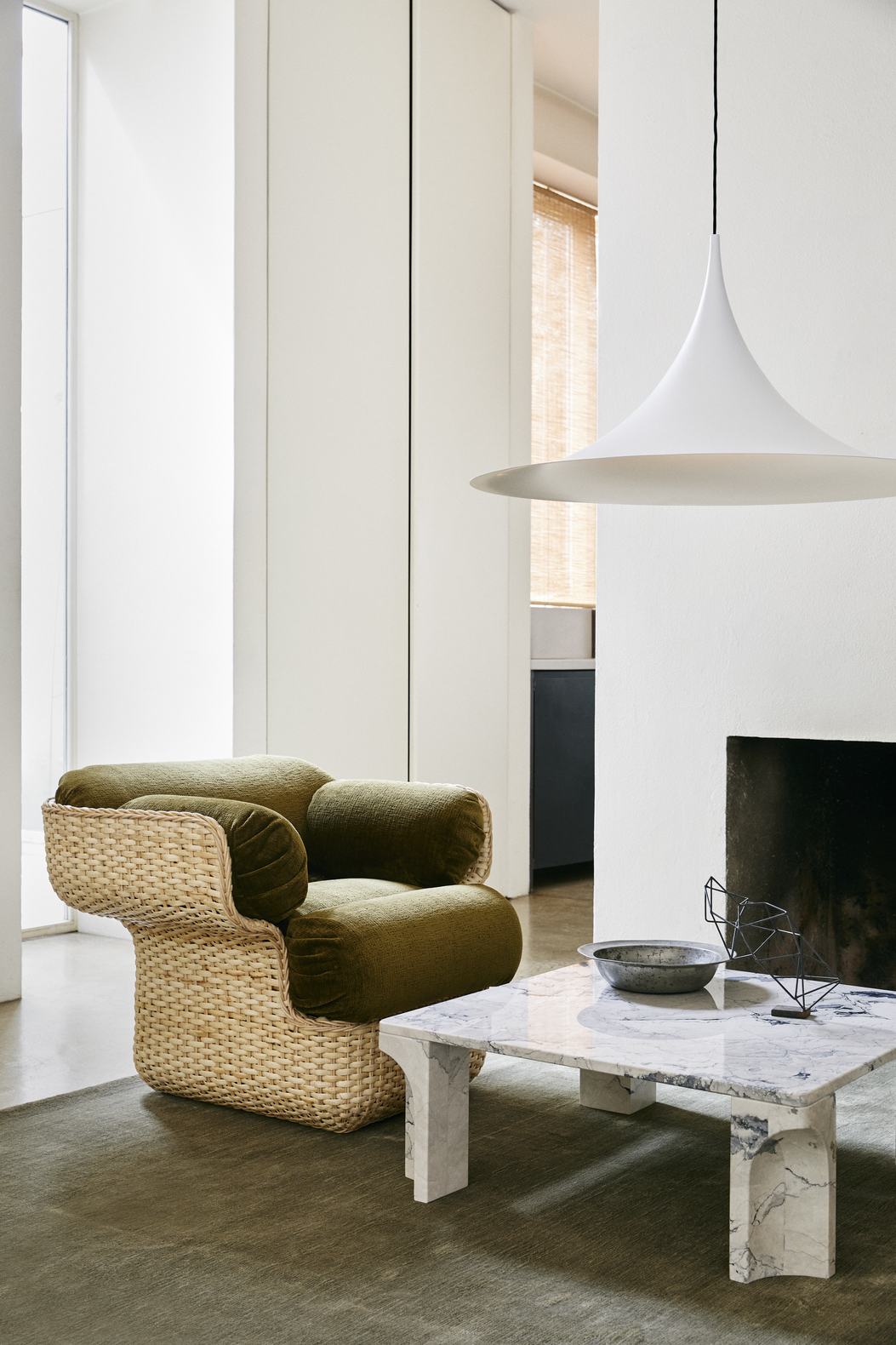
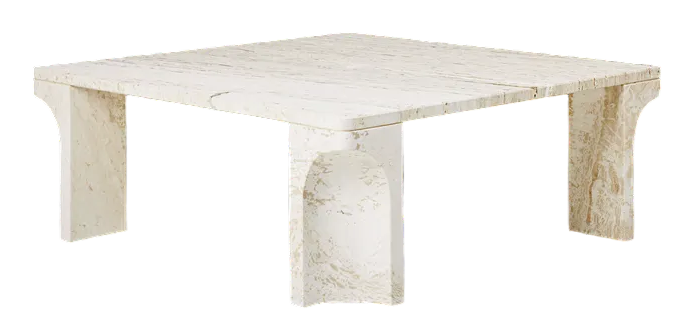
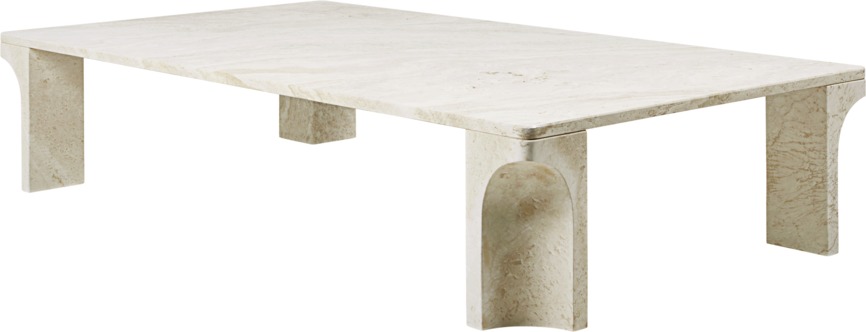
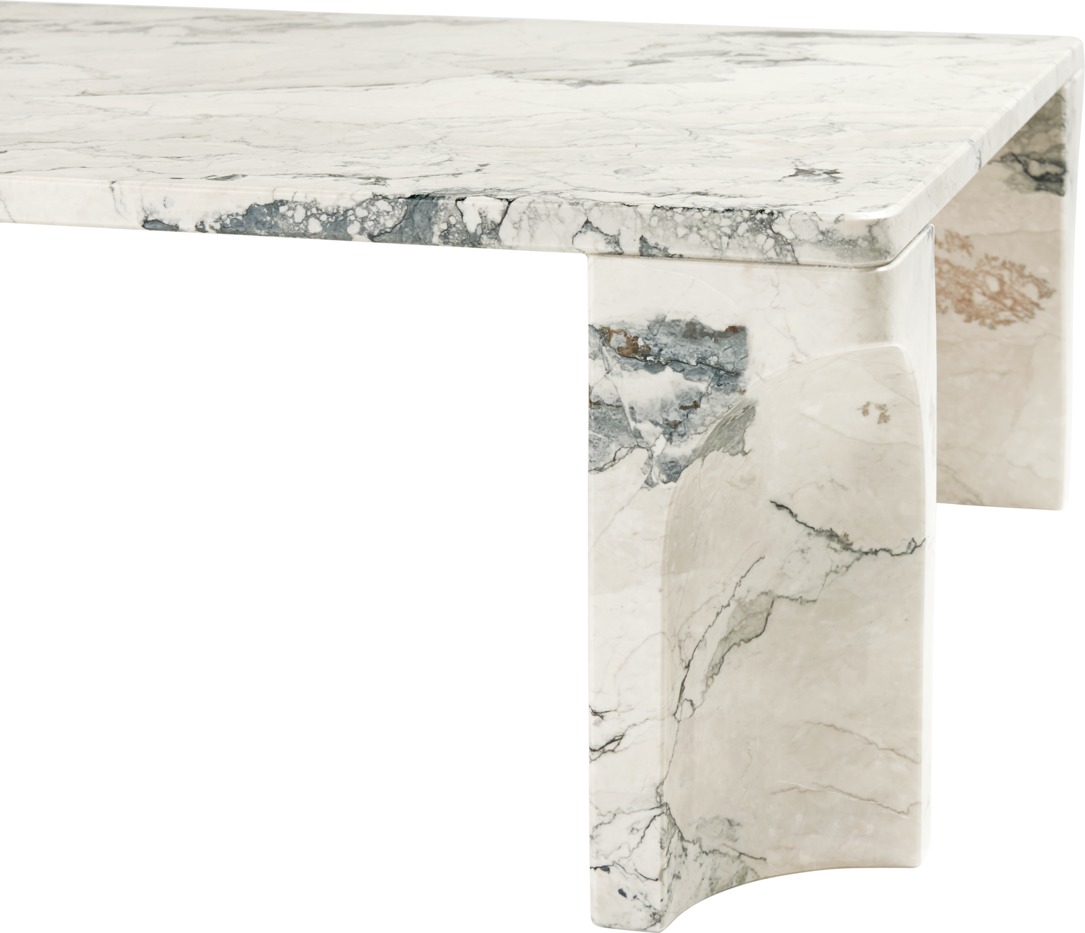
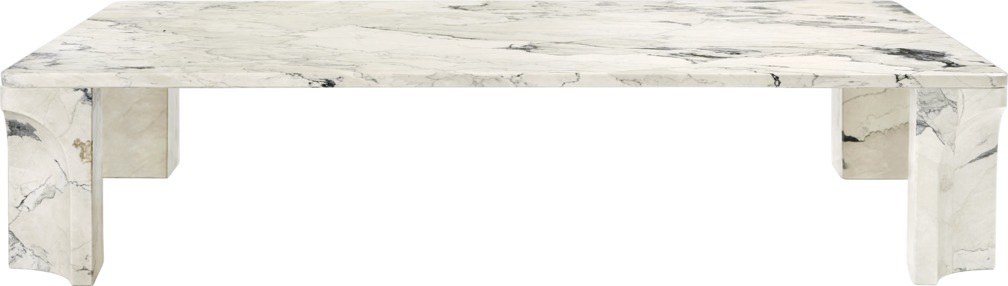
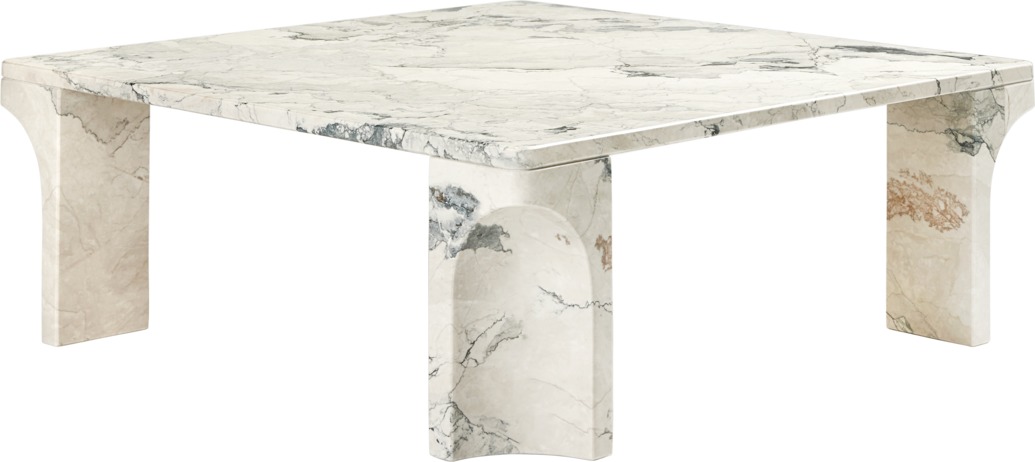
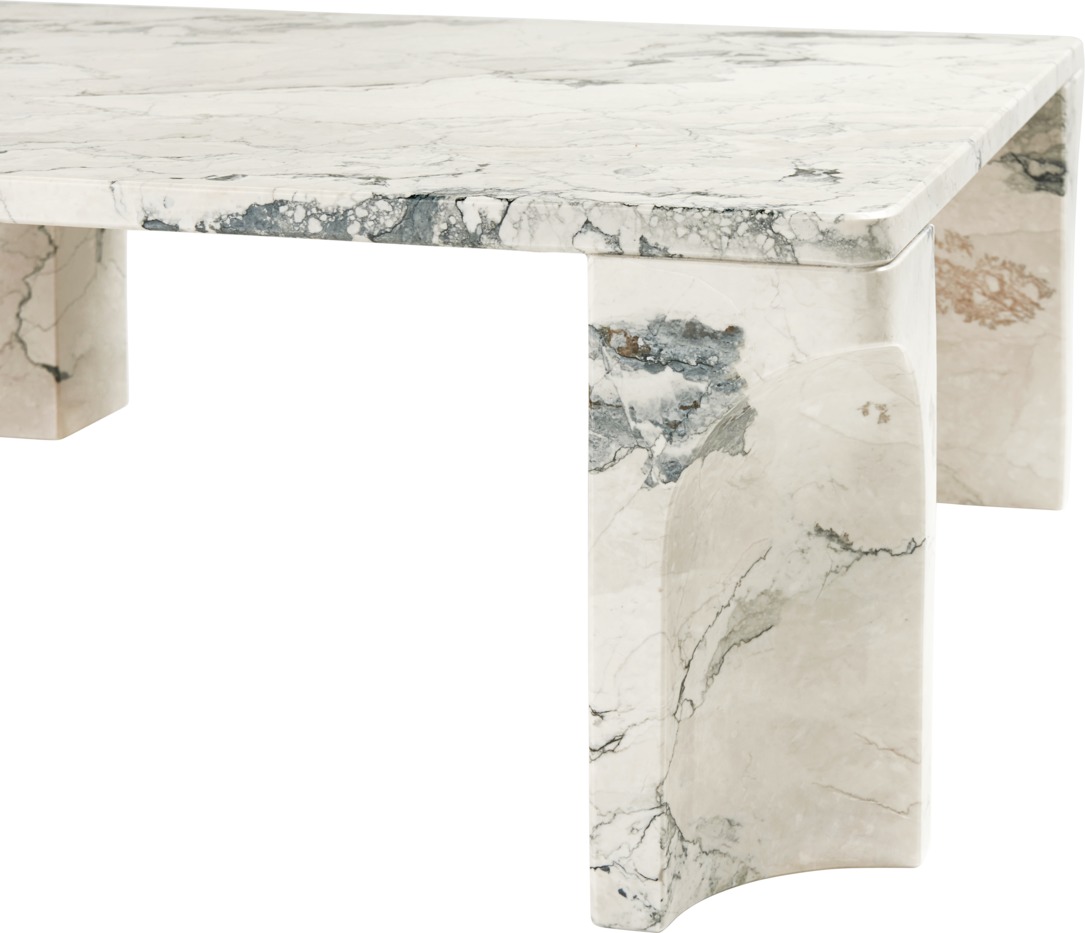
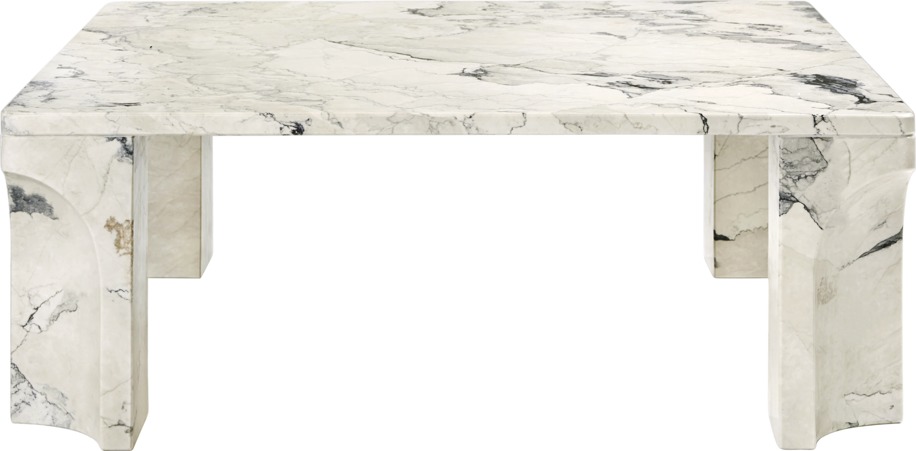
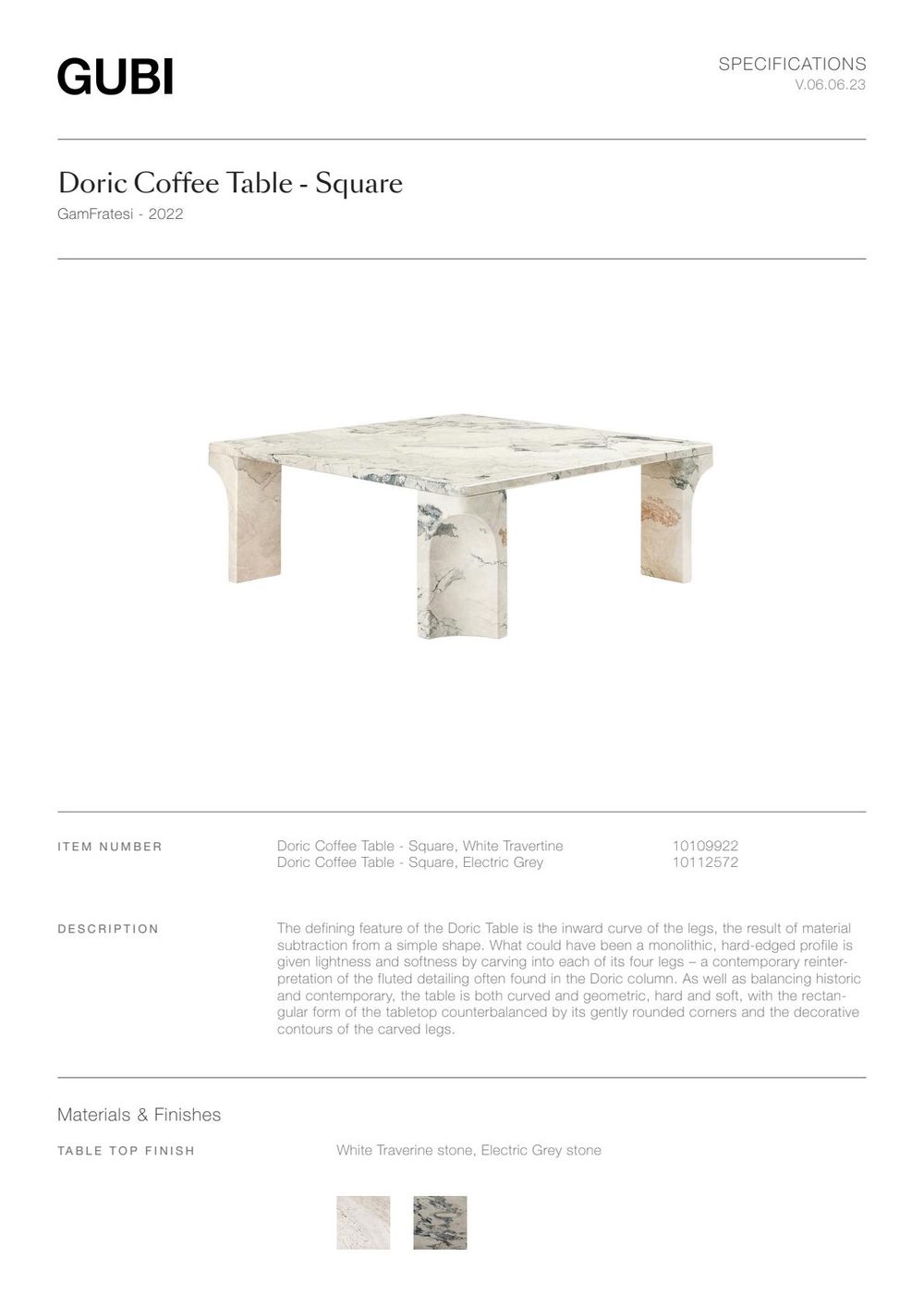
Coffee_Table Doric GUBI
 DELIVERY: 25-30 Days
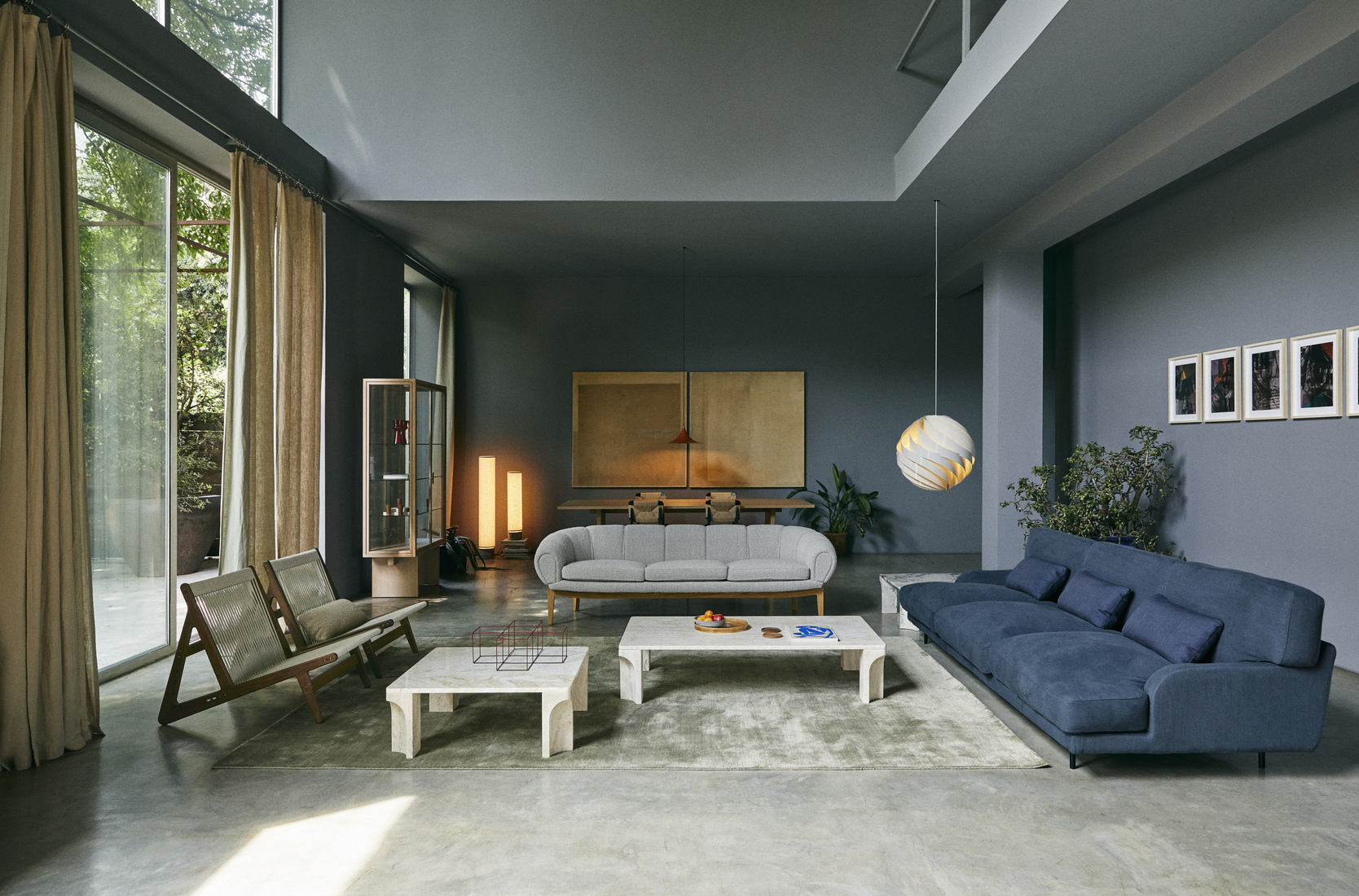
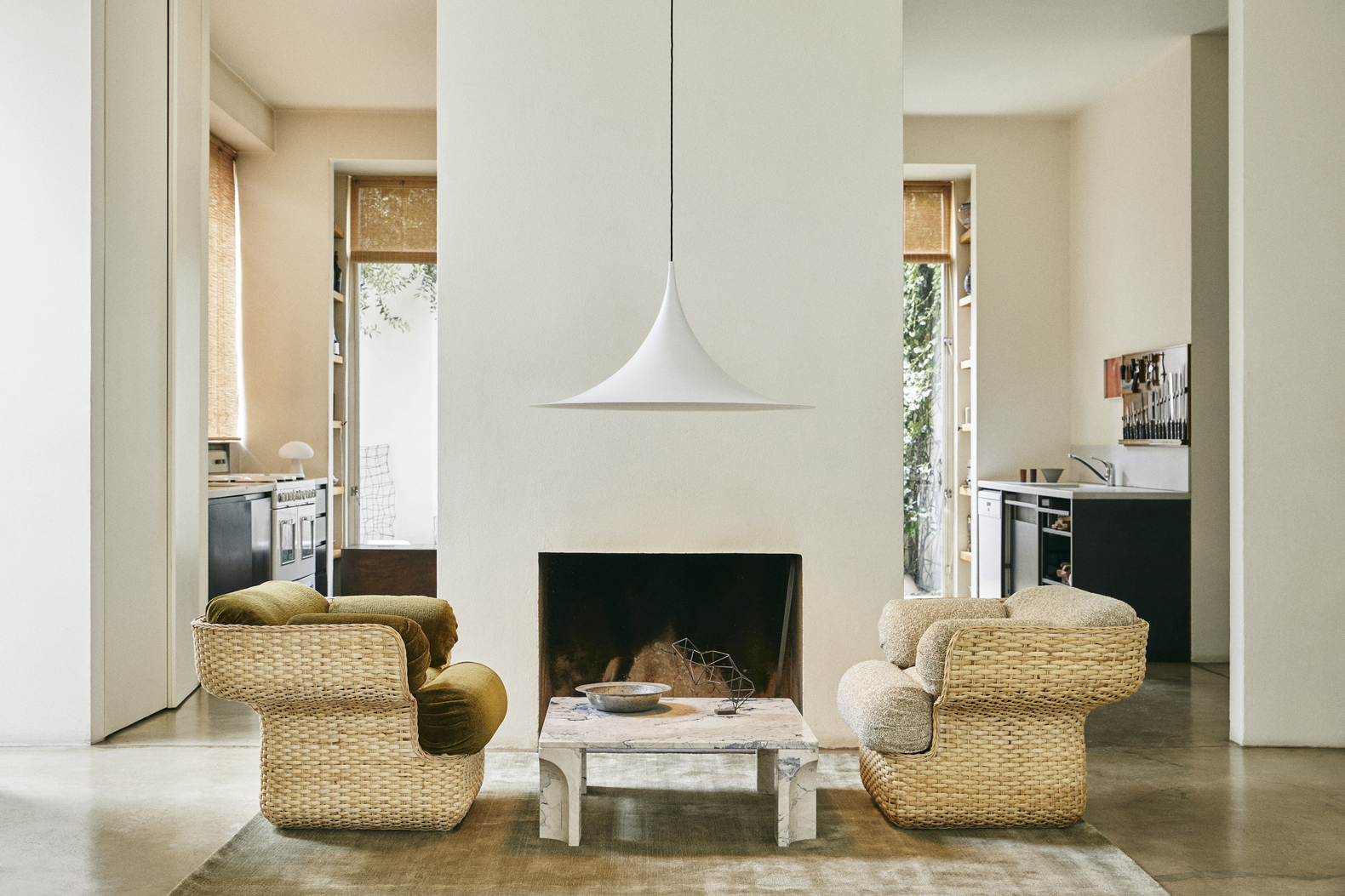
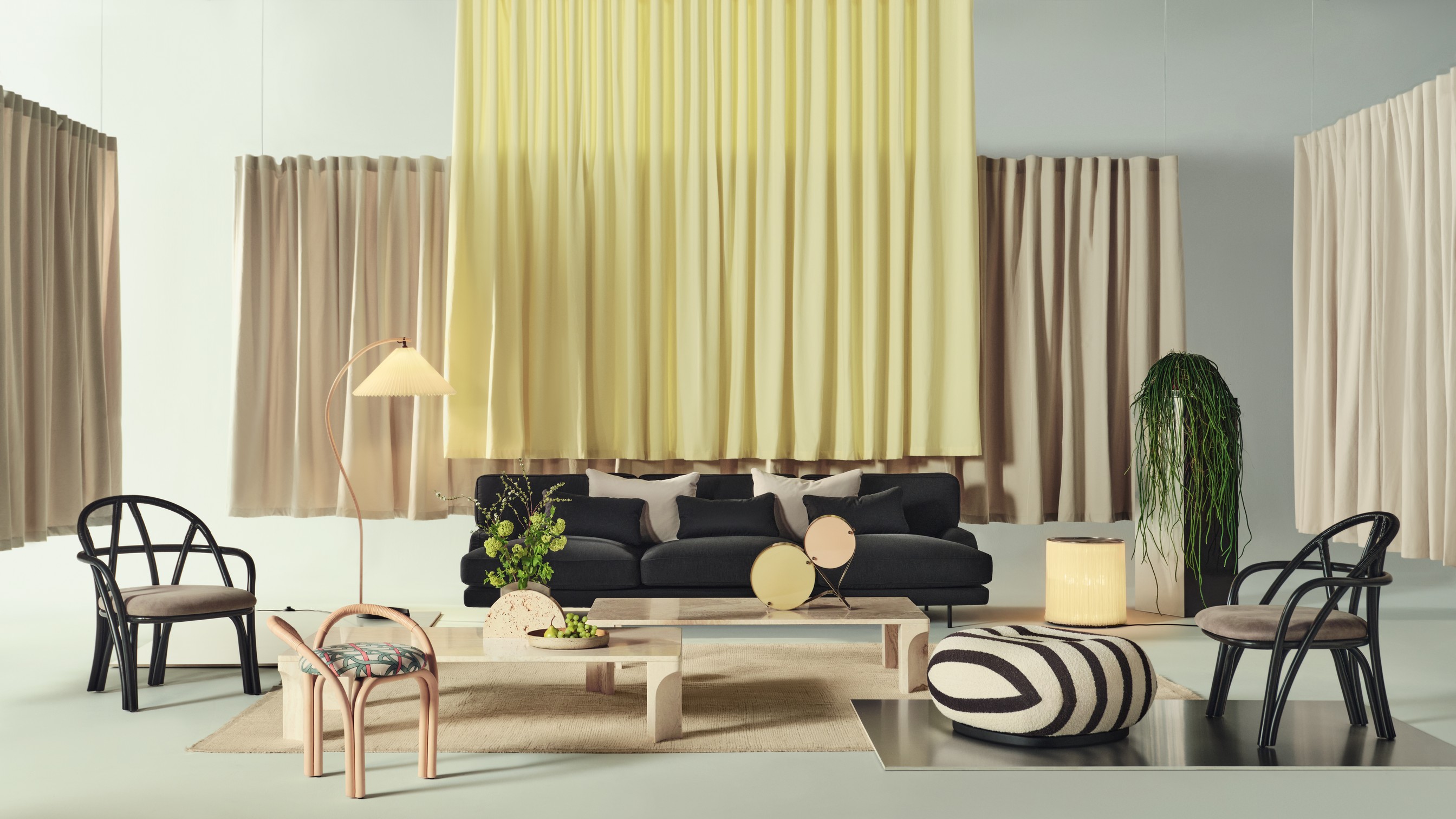
A response to the architectural traditions of the Classical era, GamFratesi’s Doric Table continues an exploration that the duo began with the Epic Table, and extends the studio’s material investigation into the aesthetic and functional possibilities of limestone. The result is two very different expressions, and two distinct responses to the same inspiration: the Classical column.
A FINE BALANCE
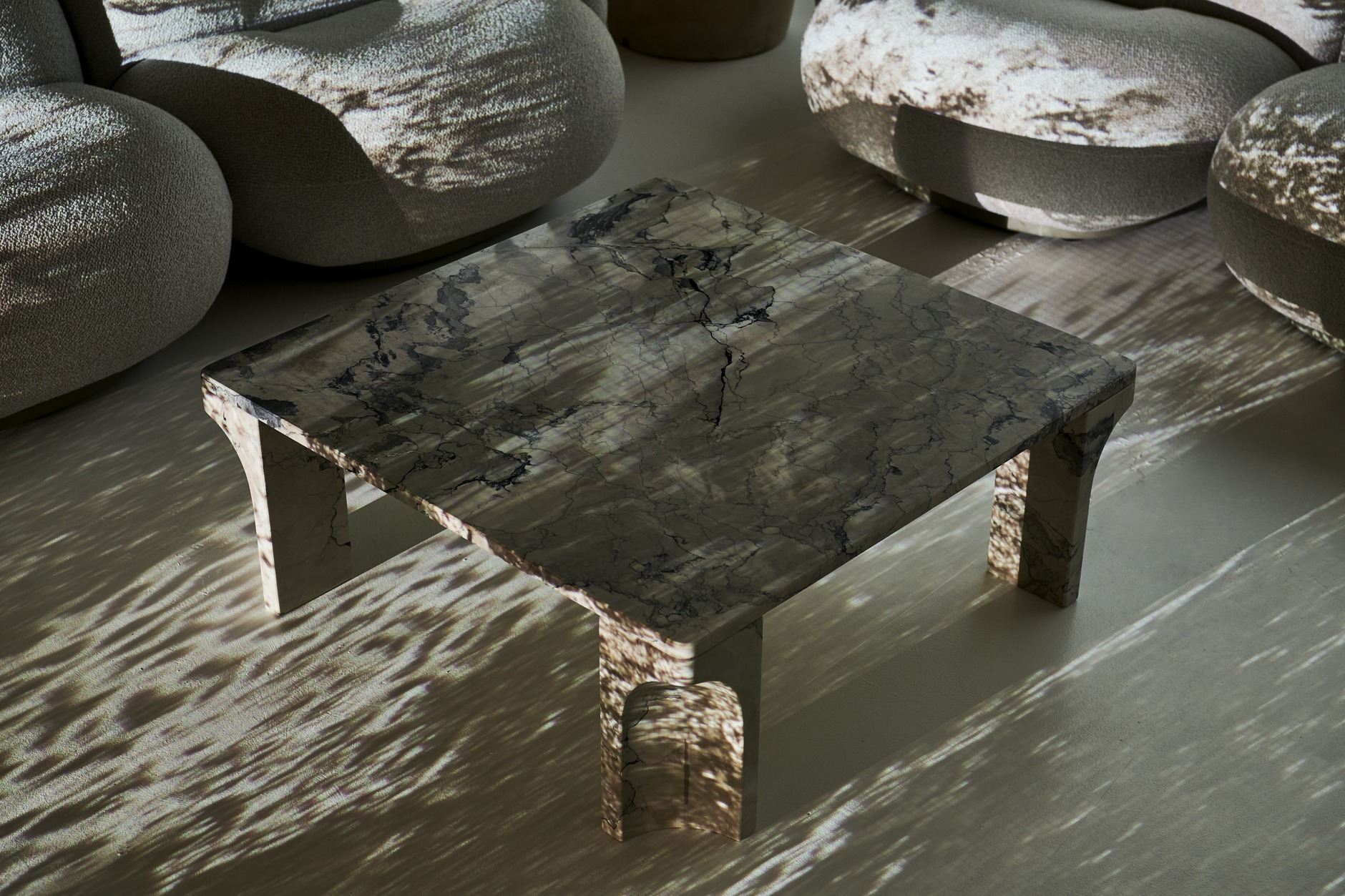
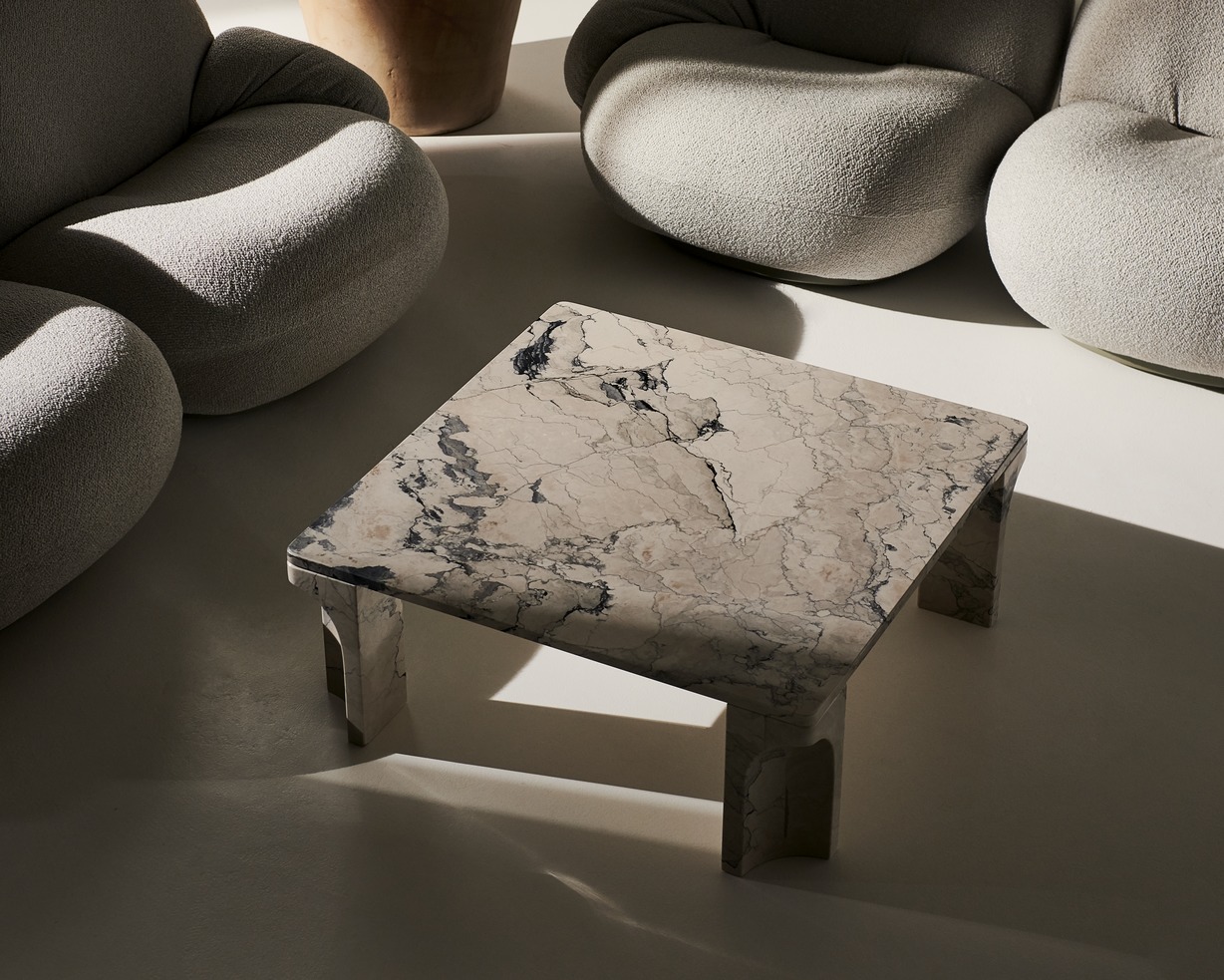
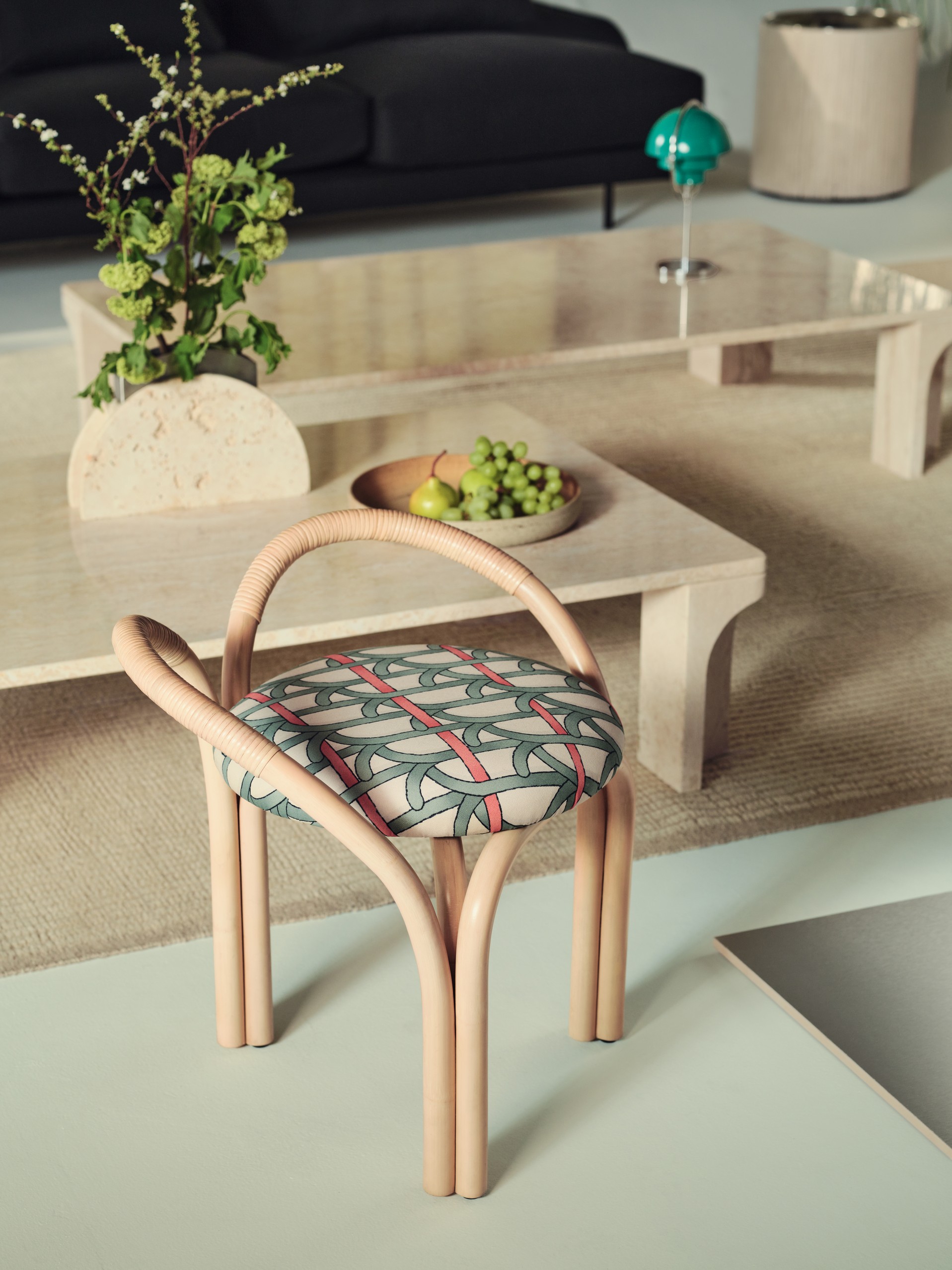
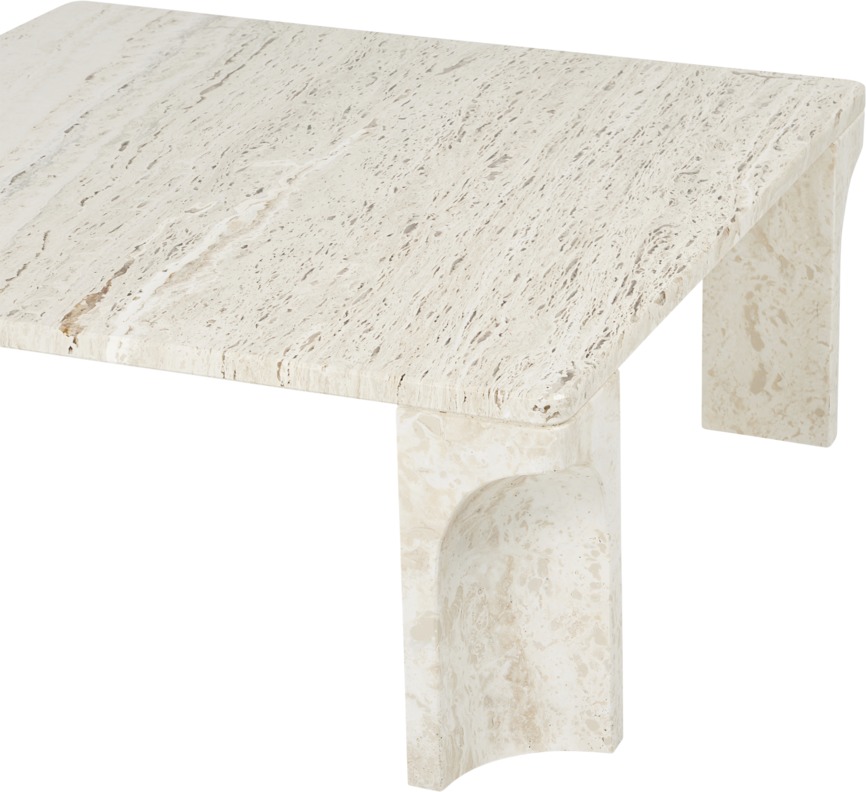
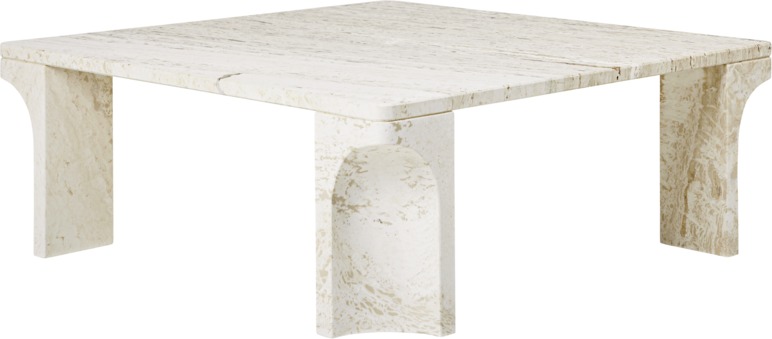
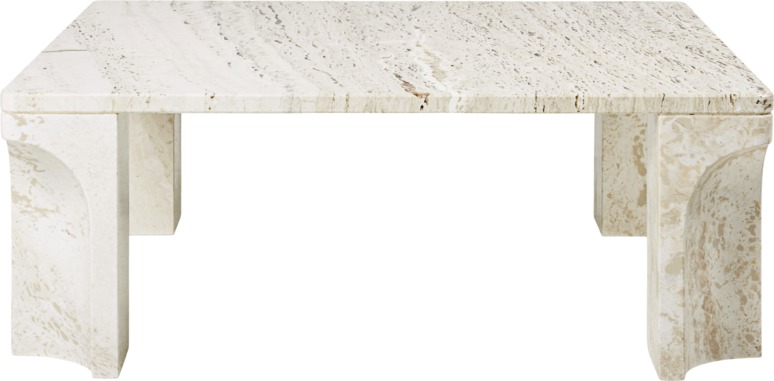
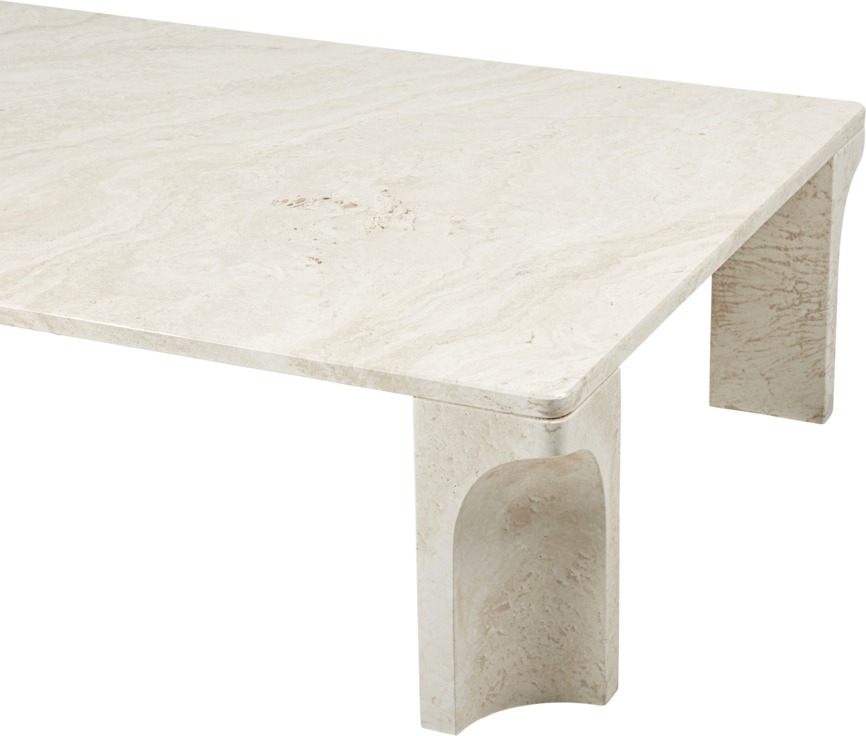
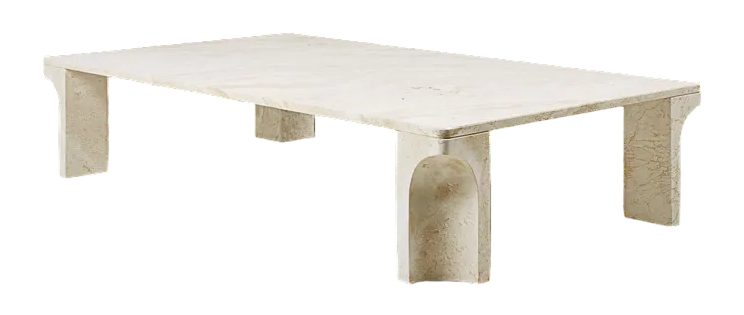
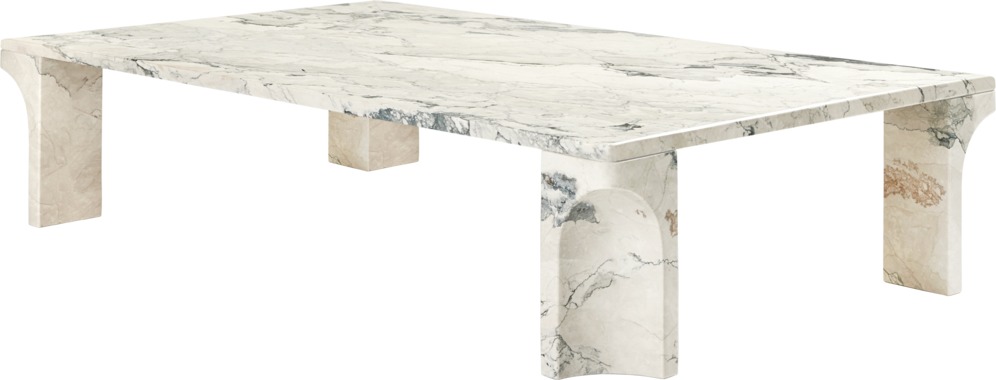
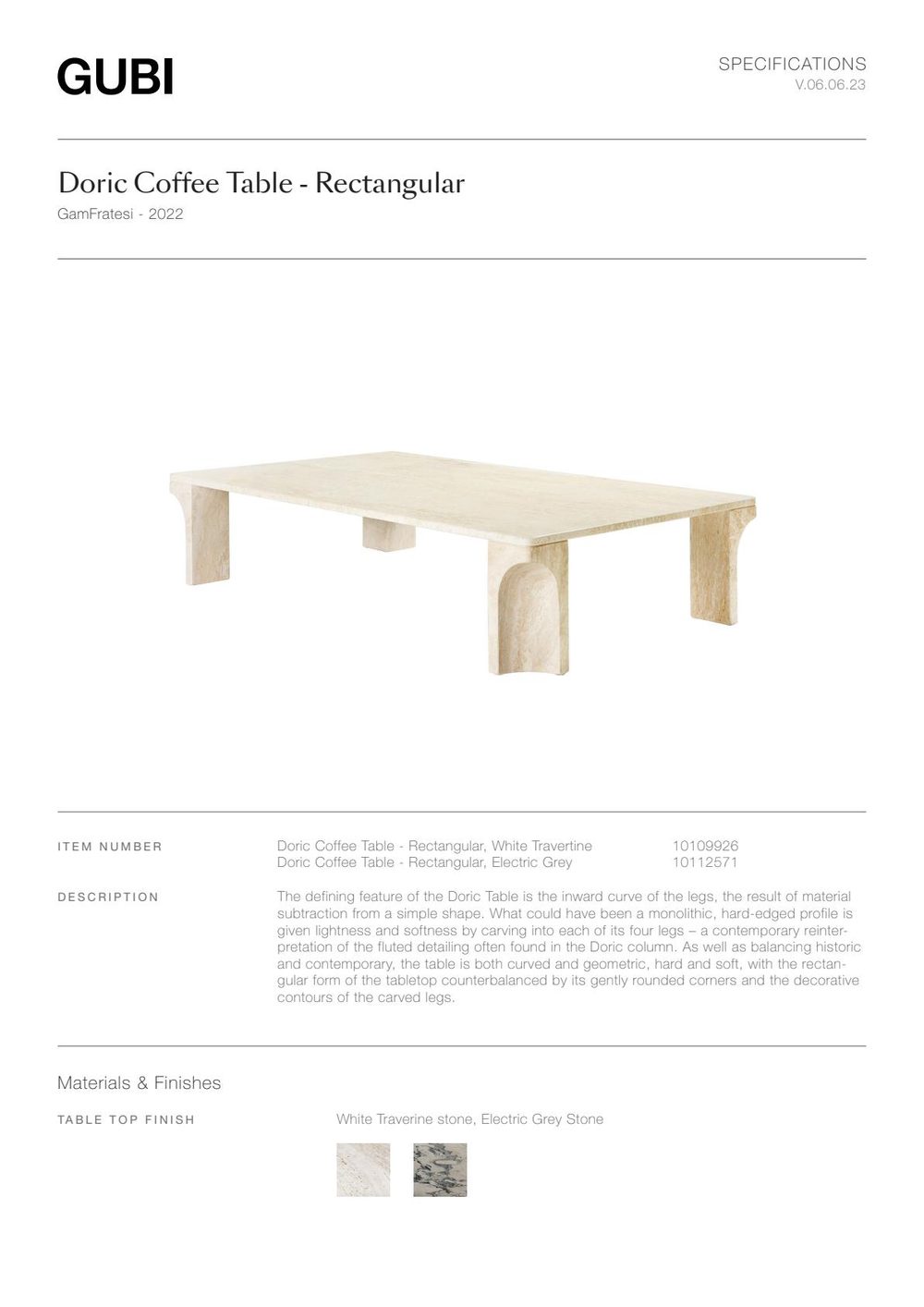
The defining feature of the Doric Table is the inward curve of the legs, the result of material subtraction from a simple shape. What could have been a monolithic, hard-edged profile is given an unexpected and alluring lightness and softness by carving into each of its four legs – a contemporary reinterpretation of the fluted detailing often found in the Doric column.
CLASSICAL MEETS CONTEMPORARY
By recontextualizing this single architectural detail in a piece of furniture, GamFratesi succeed in imbuing the design with a sense of history that counterbalances its unmistakably modern appearance. While the table’s surface showcases the natural beauty of the stone, its legs demonstrate the sculptural quality of the piece, and emphasize the level of craftsmanship that has gone into its creation.
DESIGN OF DUALITIES
Like the Danish-Italian pairing that informs GamFratesi as a practice, the Doric Table is a design of dualities, contrasts and harmonies, synthesizing seemingly opposing characteristics into a single coherent expression.



 Secure Online Payments
 24 / 7 Services
 Shiping in Greece and Worldwide